
Hoses and Hose Reels
Pull It Out. Put It to Work. Wind It Back.
Spend less time wrestling hose and more time cleaning. Shop hoses and hose reels for pressure washing and soft washing, including high-pressure hose, whip connections, and manual and electric rewind options.
Match your hose and reel to the pressure, flow, chemistry, and reach your work requires. Easier deployment. Cleaner storage. Less winding at the end of the day.




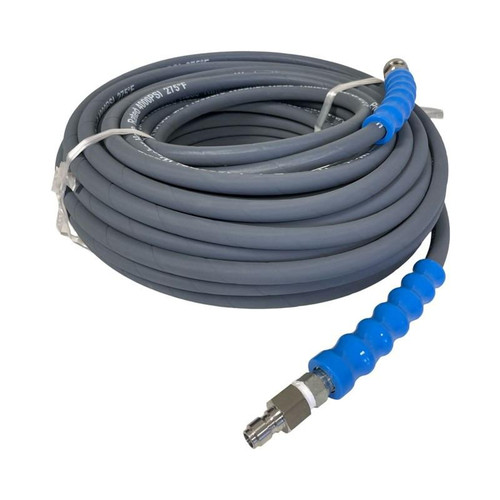


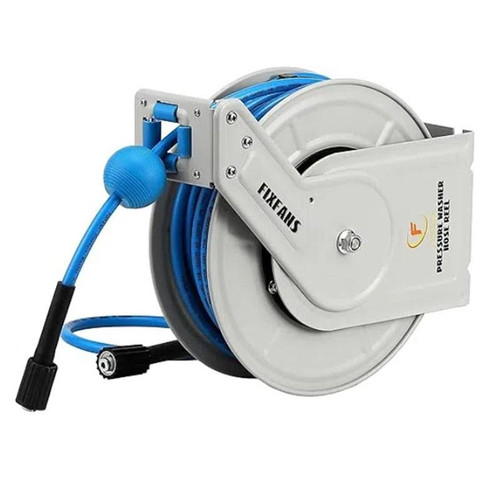


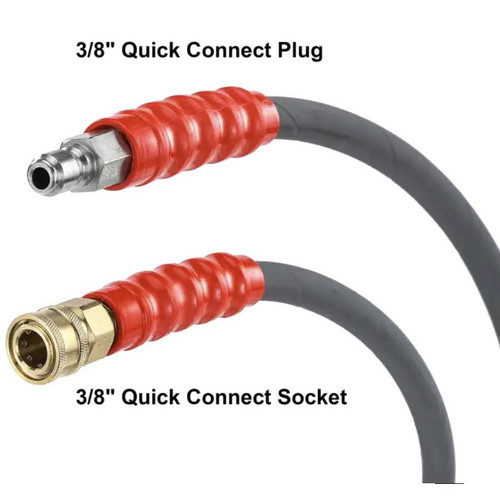
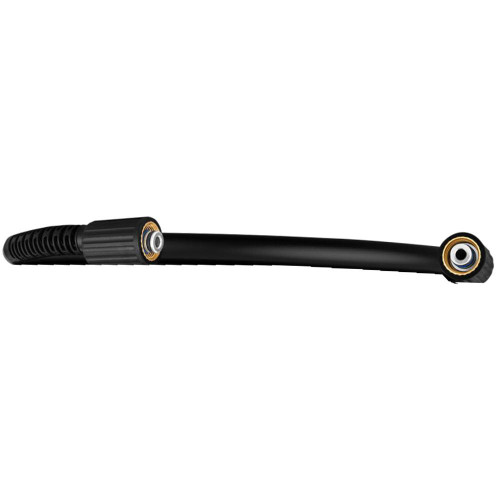

Hoses and Hose Reels That Keep the Job Moving
Your hose gets water and cleaning solution to the work. Your reel determines how easily you deploy it, manage it, and pack it away. The right combination means less wrestling with tangled hose, fewer unnecessary connections, and a more organized setup at every stop. When you pull hose several times a day, those details stop being small.
Shop ProTool hoses and hose reels for pressure washing and soft washing, including high-pressure hose, whip connections, and manual and electric rewind options. Start with the application, then choose the hose rating, diameter, length, and reel configuration that fit your equipment. For a new installation or an upgrade, ProTool’s aluminum manual and electric reels deserve a place on your shortlist.
Pressure Washing and Soft Washing Need Different Hose Features
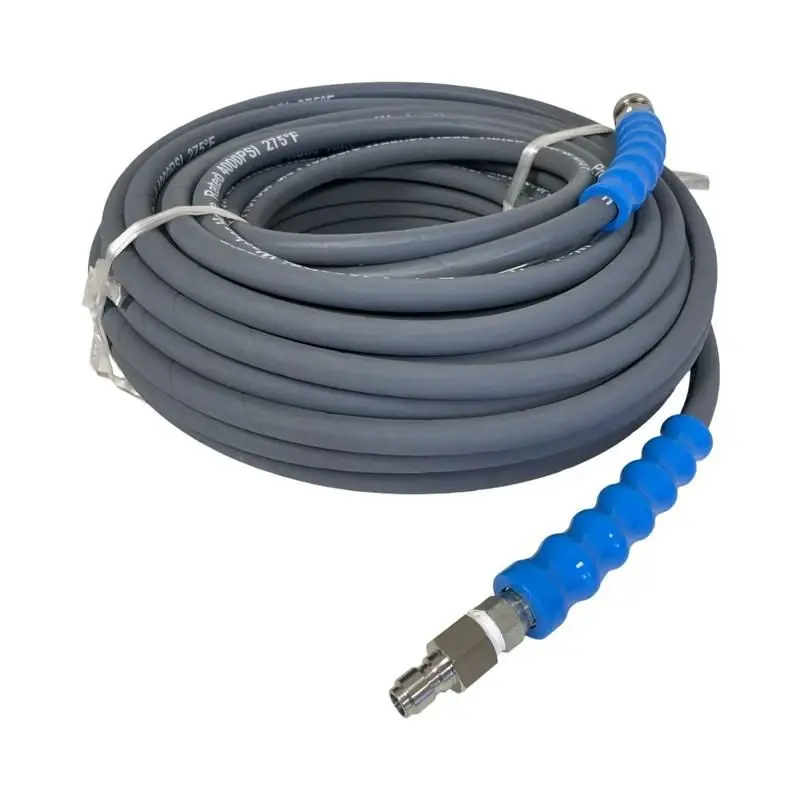
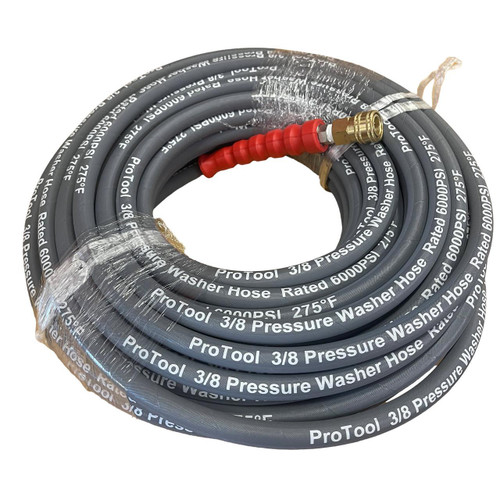
Pressure washing hose needs the working-pressure capacity and temperature rating to handle the equipment feeding it. ProTool offers 4,000 PSI one-wire pressure washing hose and 6,000 PSI two-wire hose with quick connects. Choose the rating your system requires, then consider flexibility, weight, and how the hose handles around corners and obstacles.
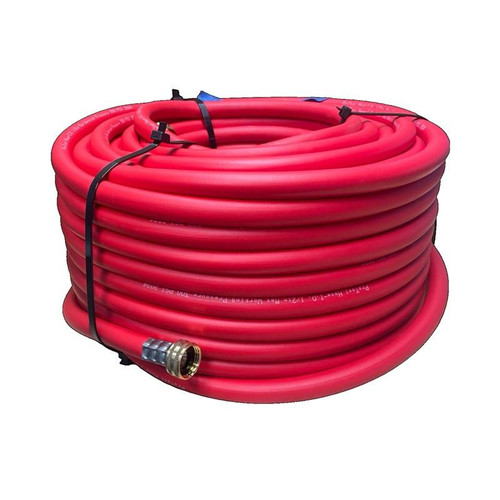
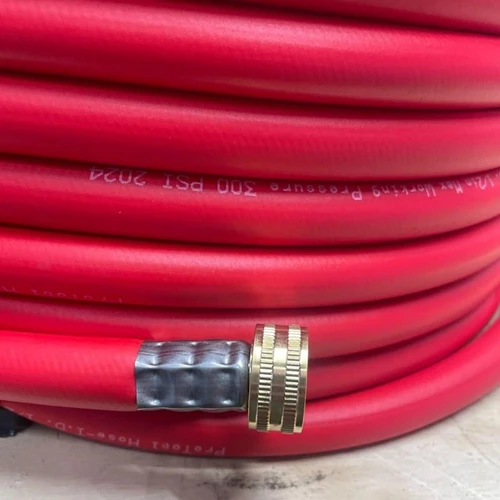
Soft washing adds chemical compatibility to the decision. The hose, swivel, manifold, fittings, and seals carrying sodium hypochlorite must suit that chemical service. A pressure rating does not tell you whether a component can handle SH. For the bigger picture on pumps and chemical delivery, read our ProTool soft wash system planning guide.
ProTool Aluminum Reels: Manual Simplicity or Electric Convenience
A manual reel keeps the installation straightforward: you supply the winding power without adding an electrical circuit. It is a practical choice when you want organized hose storage, fewer electrical components, and a lower-cost setup. Position the crank where you can use it comfortably, with enough clearance for your hand through a full rotation.
The ProTool aluminum electric hose reel brings powered rewind to the job, with a 12-inch reel and a 3/4-inch stainless steel swivel. Electric rewind is particularly useful when retrieving long runs repeatedly throughout the day. You still guide the hose and clear obstacles, but the motor takes over the cranking. The last job is finished. Your arm can be finished, too.
Frame Material and the Fluid Path Have Different Jobs
The frame supports the reel. The swivel and manifold carry the fluid. Keeping that distinction clear helps you choose equipment intelligently: an aluminum reel can use stainless steel components in the fluid path, as the ProTool aluminum electric reel does with its stainless steel swivel.
For soft washing, look at the complete chemical-carrying assembly rather than judging the reel by its frame alone. For pressure washing, evaluate the working-pressure and temperature ratings of that assembly. Stainless steel components provide useful corrosion resistance, but chemical exposure still makes flushing and inspection part of ownership. Good materials are an advantage—not a reason to skip maintenance.
Match Hose Diameter, Length, and Reel Capacity
Choose hose length around the properties you actually clean. Extra reach is useful, but every additional length adds weight, storage demand, and friction loss. Smaller internal diameter generally creates more restriction at the same flow and length, which becomes more noticeable with higher-flow pressure washers and longer soft wash runs. Our pressure washer flow comparison guide explains why supporting the machine’s output matters.
Reel capacity depends on the hose’s outside diameter, stiffness, and winding pattern—not simply its nominal internal diameter. Reinforced pressure hose can occupy different amounts of space even when the bore is the same. Leave room to guide the hose evenly instead of choosing a reel that only works when every wrap is perfect.
Build a Complete Connection Path
- Working pressure: Match the hose, reel, swivel, whip, couplers, and gun to the system’s operating pressure.
- Temperature: For hot water, every downstream component needs a suitable temperature rating.
- Flow: Avoid creating a restrictive path with undersized hose, swivels, or adapters.
- Connections: Match thread type, connection size, and sealing arrangement; fittings that appear similar are not always interchangeable.
- Whip hose: Use an appropriately rated flexible connection between the equipment and reel without forcing plumbing into alignment.
A ProTool 6,000 PSI hose does not increase the rating of a lower-rated reel or gun. The assembled system remains limited by its lowest-rated component. Choose the whole path, not just the strongest piece.
Mount for the Pull. Maintain for the Next Job.
Place the reel where hose can leave cleanly without rubbing sharp edges, crossing hot exhaust components, or blocking controls. Support the reel and its loaded hose securely, and leave access to the swivel, connections, crank, or electrical controls. For electric reels, provide suitable wiring, circuit protection, and battery charging for repeated use.
Inspect covers, crimps, swivels, mounting hardware, and electrical connections regularly. Flush chemical lines with clean water after use according to the equipment’s care instructions, and manage that discharge appropriately. The ProTool maintenance guide covers hose inspection, reel swivels, electric motors, wiring, and related service tasks.
ProTool Hose and Hose Reel FAQs
Should I choose a ProTool manual or electric hose reel?
Choose a ProTool manual reel for simple hose storage without electrical installation; choose the aluminum electric reel when reducing repeated hand-cranking is the priority. Electric rewind is especially useful for long hose runs and frequent pack-ups. Manual keeps the equipment simpler. Electric makes retrieval easier.
What is the benefit of the ProTool aluminum electric reel’s stainless steel swivel?
The stainless steel swivel provides a corrosion-resistant fluid connection while allowing the reel drum to rotate. ProTool pairs that stainless steel component with aluminum reel construction, separating the supporting structure from the material carrying fluid through the swivel. Its 3/4-inch connection is also a useful consideration when planning the flow path and adapters.
Which ProTool pressure washing hose should I choose: 4,000 PSI or 6,000 PSI?
Choose ProTool’s 4,000 PSI hose for systems operating within that hose’s pressure and temperature ratings; choose the 6,000 PSI option when the application requires the higher pressure capacity. The 6,000 PSI two-wire option does not make the pressure washer more powerful. Match the reel, whip, fittings, and gun to the operating conditions as well.
Will a longer ProTool hose reduce performance?
A longer hose adds friction loss, which can reduce pressure or delivered flow at the working end. Choose your ProTool hose length and diameter around the machine’s flow and the distance you normally need to cover. Carry additional reach when useful, but avoid connecting every available length for a short job.
Does the ProTool electric reel pull hose around obstacles for me?
No—the ProTool electric reel provides powered winding, while the operator manages the hose path. Clear snags, bring hose around corners, and guide it evenly onto the drum. Let the motor handle the winding instead of using it to drag hose against obstacles.
Is hose included with every ProTool reel?
No—ProTool offers separate hose and reel products as well as packages explicitly listed with hose included. Choose a stated hose-and-reel package when you want both together, or select the reel and hose separately to match your required length and rating. A reel’s advertised storage capacity describes what it can hold, not what comes in the box.
How should I care for my ProTool hose reel after soft washing?
Flush the chemical-carrying hose and reel components with clean water using the equipment’s prescribed procedure, then inspect for leaks and external chemical residue. Keep electrical components protected during cleaning and inspect connections periodically. Consistent care helps preserve the corrosion-resistant components you invested in.
Make Hose Handling the Easy Part
Choose your ProTool hose around the application, pressure, temperature, and working distance. Then pair it with a manual reel for straightforward storage or an aluminum electric reel for easier retrieval. Compare the options above and build a combination that deploys cleanly, carries what you need, and winds back without a fight.